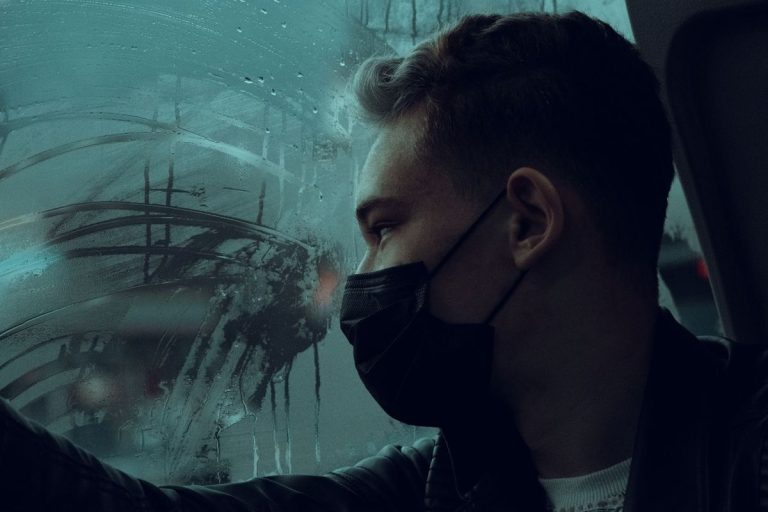
Uncovering the Cinematic Dark Side of Mysterious Skin: A Gaming and Narrative Masterclass - Gaming iNews
Why Mysterious Skin Still Captivates the Gaming and Film Community
Few cinematic experiences hit you as hard or linger in your memory quite like Gregg Araki’s 2004 indie masterpiece, Mysterious Skin. While you might know Joseph Gordon-Levitt from blockbuster video game adaptations and sci-fi epics, his transformative performance here showcases a raw, unflinching look at trauma that resonates deeply across modern storytelling mediums. In the wider sphere of the gaming industry and video games culture, compelling narratives often borrow from psychological thrillers like this to build complex, morally gray characters who must piece together their fractured pasts.
If you love narrative-driven games that tackle heavy themes, looking at how cinema handles the same subject matter can completely change your perspective. When you examine the parallel lives of Neil and Brian, you realize that great storytelling isn’t just about high-stakes action; it is about emotional survival. This film forces you to confront uncomfortable truths, mirroring the deep narrative choices found in today’s most immersive role-playing and indie video games.
Understanding the impact of Mysterious Skin means looking past its initial shock value and examining its meticulous structure. The movie uses a dual-narrative approach, tracking two young men whose lives diverged after experiencing abuse by the same trusted authority figure: their Little League baseball coach. This structural choice teaches aspiring game developers and writers a masterclass in pacing, character motivation, and emotional payoff.
The Parallel Paths of Neil and Brian
The core of the film rests on the starkly different coping mechanisms chosen by its two protagonists. Neil embraces a chaotic, numb lifestyle in New York City as a teenage hustler, trying to feel anything to offset a profound internal emptiness. On the flip side, Brian develops bizarre, alien-abduction delusions to block out the horrific reality of his childhood abuse, desperately seeking a cosmic explanation for a very human nightmare.
This dynamic offers a brilliant blueprint for character design in video games. When building a world filled with complex heroes and anti-heroes, writers can look at Neil and Brian to see how two people exposed to the exact same trauma can forge entirely opposite worldviews. You see this same psychological depth in top-tier gaming masterpieces where player choices reflect internal turmoil and psychological defense mechanisms.
Consider these key narrative elements that make their arcs so compelling:
- Numbness vs. Delusion: Neil seeks external validation and physical sensation, whereas Brian retreats entirely into an internal, sci-fi-inspired fantasy world.
- The Unreliable Narrator: Brian’s alien abduction theory acts as a psychological shield, challenging the audience to separate literal truth from emotional coping.
- Inevitable Convergence: The plot builds tension by steadily pulling these two estranged childhood acquaintances back toward a shared confrontation with their past.
Lessons in Pacing and Atmosphere for Storytellers
Gregg Araki is famous for his vibrant, stylized visual palette, and Mysterious Skin uses color and atmosphere to amplify its dark themes. The dreamy, sun-drenched Kansas suburbs contrast sharply with the gritty, neon-lit streets of New York City. For anyone involved in game development or level design, this contrast serves as a powerful reminder of how environmental storytelling can instantly communicate a character’s emotional state.
Atmosphere does heavy lifting when dialogue falls short. In video games, lighting, sound design, and color grading often do the work of a traditional script, guiding your mood before you even press a button. Mysterious Skin proves that style and substance do not have to be mutually exclusive; a bold aesthetic can make a heavy, difficult story much more hypnotic and engaging to watch.
Furthermore, the movie’s soundtrack plays an instrumental role in shaping its melancholic yet strangely comforting vibe. Great games rely on similar audio cues to anchor players in emotional states, proving that cross-medium inspiration is vital for anyone passionate about interactive media and narrative arts.
Common Misunderstandings About the Film
Because of its sensitive subject matter, Mysterious Skin is frequently misunderstood by casual viewers who mistake its artistic bravery for mere shock value. In reality, Araki handles a deeply traumatic theme with immense empathy for the victims. The film never exploits the abuse; instead, it focuses entirely on the grueling, nonlinear journey of survival and healing.
Here are a few common pitfalls people fall into when discussing or analyzing this movie:
- Assuming it is a standard crime thriller rather than a deeply personal psychological drama about trauma recovery.
- Misinterpreting Brian’s alien theories as literal sci-fi elements rather than profound psychological metaphors for repressed memories.
- Overlooking the film’s message of human resilience in favor of focusing solely on the darkness of the initial trauma.
Recognizing these nuances helps elevate film and media literacy, allowing you to appreciate how creators tackle taboo subjects without falling back on cheap tropes.
Practical Takeaways for Fans of Deep Narratives
If you appreciate video games with incredible storytelling, branching paths, and heavy psychological stakes, adding Mysterious Skin to your watch list is a must. It challenges you to look at how media handles trauma, memory, and friendship. Great art stays with you long after the credits roll, much like finishing an unforgettable RPG that completely alters your outlook.
As you explore more corners of entertainment culture, keeping an eye out for these masterclasses in writing will sharpen your appreciation for both cinema and interactive media. Whether you are a hardcore gamer, an aspiring writer, or simply a film buff looking for your next profound experience, the lessons embedded in Gordon-Levitt’s breakthrough role are timeless.
Frequently Asked Questions
Question: Is Mysterious Skin based on a book?
Answer: Yes, the film is adapted from the 1995 critically acclaimed novel of the same name by author Scott Heim.
Question: Where can I watch Mysterious Skin?
Answer: Availability changes frequently depending on streaming platforms and regional licensing, but it is often found on indie film curation services and digital rental platforms.
Question: Why is this film considered a breakthrough for Joseph Gordon-Levitt?
Answer: Before this role, Gordon-Levitt was primarily known for wholesome family fare and sitcoms like 3rd Rock from the Sun. Mysterious Skin forcefully shattered that image and established him as a fearless, highly capable dramatic actor.
Final Thoughts
Exploring complex cinematic gems like Mysterious Skin reminds us why powerful storytelling matters across all forms of entertainment. Whether it is a hard-hitting indie film or an emotionally demanding video game, stories that refuse to shy away from the human condition leave the deepest impact on our gaming community and cultural landscape.
If you enjoyed this deep dive into narrative mastery, make sure to bookmark Gaming iNews and check back regularly for more guides, reviews, and cultural deep dives into the media you love.
About the Author