Capturing the Cosmos: How Gaming Communities and Virtual Worlds React to Celestial Events - Gaming iNews
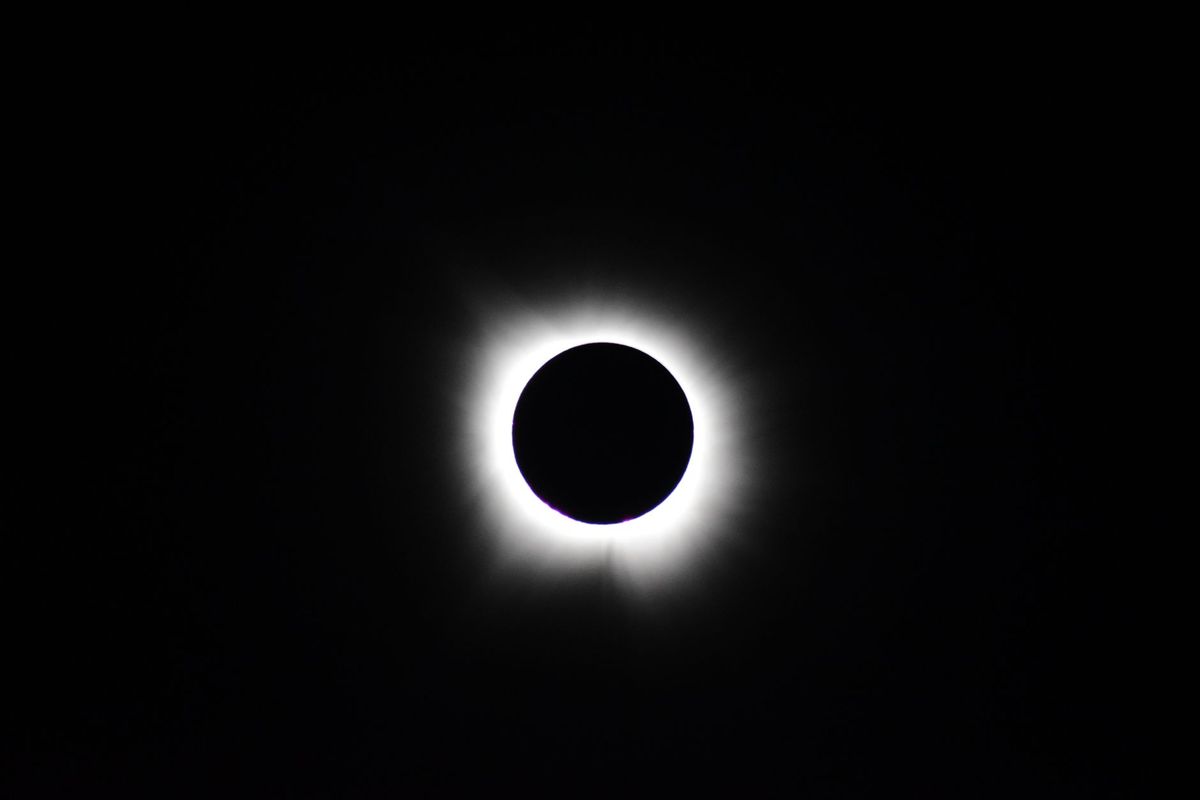
There is something undeniably surreal about stepping away from your usual grind, whether that means raiding a dungeon or queuing for an esports match, to witness a rare real-world phenomenon like a total solar eclipse. Yesterday, millions of people temporarily put down their controllers, grabbed their solar filter glasses, and looked up as the moon completely blocked out the sun. For players immersed in expansive video games, seeing celestial magic happen in real life always blurs the line between high fantasy and cold physics. If you spent yesterday tracking the eclipse rather than your usual leaderboard stats, you are definitely not alone.
When Real-World Astronomy Mimics Video Game Lore
Whenever a total solar eclipse rolls around, the gaming community inevitably floods social media with references to their favorite titles. Let’s be honest: seeing the sky turn dark in the middle of the day instantly triggers memories of apocalyptic boss fights, ancient curses, and legendary prophecies. It is fascinating how deeply ingrained celestial imagery is in modern game development and gaming culture as a whole.
From massive MMORPG expansions featuring solar alignments to indie survival games where day-night cycles dictate your survival, eclipses represent ultimate mystery and high-stakes drama. Developers know this, which is why legendary items and secret world events are so often tied to lunar or solar alignments. Witnessing the real thing gives you a whole new appreciation for the atmosphere that world designers try to capture on screen.
Moreover, astrophotography has become a massive crossover hobby for many gamers who appreciate sharp detail, framing, and capturing dramatic lighting. Yesterday’s event brought out countless tech-savvy hobbyists who applied the same patience needed to master a difficult game to getting the absolute best camera shot of the corona.
Why Rare Celestial Events Captivate the Gaming Community
Gamers love immersion, lore, and rare events, which explains why massive spectacles like a total solar eclipse draw so much enthusiasm online. When a rare event happens, the collective gaming community reacts in real time across Discord, Reddit, and streaming platforms. It mirrors the excitement of a midnight game launch or a global esports championship finals.
Here is why these moments resonate so strongly with players:
- Epic Atmosphere: The sudden shift in daylight and temperature provides a real-life cinematic experience that rivals any game engine.
- Shared Cultural Moments: Millions of players stepping away from their screens simultaneously creates a massive, unified global event.
- Creative Inspiration: Artists, streamers, and game developers often use these moments to fuel new fan art, lore theories, and community projects.
How Virtual Worlds Recreate the Magic of Eclipses
If you missed out on seeing the real eclipse or simply want to experience that eerie, twilight atmosphere from your gaming chair, plenty of video games offer incredible celestial events. Modern game development engines allow artists to simulate breathtaking atmospheric scattering, corona flares, and dynamic lighting that can trick your brain into feeling the same sense of wonder.
Sandbox survival games, space simulators, and fantasy RPGs often feature custom planetary cycles where eclipses alter enemy behavior or unlock hidden dungeons. Exploring these virtual equivalents lets you appreciate the artistry and technical prowess behind modern game development. It turns out that coding realistic shadows and sun-blocking moons is just as tricky for programmers as viewing one safely is for us.
Tips for Gamers Who Want to Get Into Astrophotography
If seeing the stunning photos from yesterday’s eclipse inspired you to try capturing cool sights yourself—whether it’s the moon, the stars, or incredible landscape screenshots—you need a bit of patience and the right gear. Capturing dynamic lighting requires an understanding of exposure and timing, skills that actually translate surprisingly well from adjusting in-game graphics settings.
- Invest in the Right Filters: Never look directly at the sun or point an unfiltered camera lens at it unless you want to fry your equipment.
- Use a Tripod: Stability is everything, whether you are trying to snap a distant planet or avoid camera shake during low-light shots.
- Master Manual Focus: Autofocus can easily get confused by extreme contrast, so switch to manual to keep your celestial subjects crisp.
Common Misunderstandings About Eclipses and In-Game Lore
With so much myth and legend surrounding eclipses in video games, it is easy to mix up fantasy tropes with actual scientific facts. For instance, while games often portray eclipses as heralds of doom or portals to dark dimensions, in reality, they are completely predictable orbital mechanics mapped out by astronomers down to the exact second.
Another common misconception is that you can just snap a quick smartphone photo without any preparation. Just like rushing into a high-level boss fight without proper gear, trying to photograph an eclipse without the right solar filter will leave you disappointed (and potentially missing your equipment). Preparation is key, both in virtual worlds and when tracking real-world phenomena.
Frequently Asked Questions
Do video games feature accurate solar eclipse mechanics?
Many space simulators and hard sci-fi games use actual physics engines to accurately calculate orbital mechanics, shadows, and light dispersion during eclipses. However, fantasy games usually take creative liberties, adding magical auras, glowing runes, or sudden monster spawns for dramatic effect.
Can looking at a solar eclipse damage camera equipment?
Yes, absolutely. Just like human eyes, camera sensors can be permanently burned or damaged if pointed directly at the intense light of the sun without a certified solar filter attached.
Why do eclipses inspire so much fantasy game lore?
Throughout history, sudden darkness during the day terrified and fascinated humanity, making eclipses a natural symbol for mystery, lost power, and apocalyptic events in mythology and game writing.
Final Thoughts
Yesterday’s total solar eclipse was a powerful reminder of how awe-inspiring the natural world can be, even for those of us who spend a lot of our free time exploring digital universes. Whether you paused your favorite video game to step outside or spent hours adjusting your camera gear to capture the corona, moments like this bring communities together in a truly unique way. Bookmark Gaming iNews and check back for more updates on gaming culture, upcoming releases, and where technology meets real-world wonder!
About the Author